Chlorine Generators Long Island | Salt Pools | Majestic
Chlorine Generators

Chlorine Generators Long Island

Salt chlorine generators from Hayward and AutoPilot. Softer water, lower chemical costs, and less maintenance for your Long Island pool.

Hayward AquaRite salt chlorine generator installed at Long Island pool
Saltwater Swimming

Stop Buying Chlorine. Let Your Pool Make Its Own.

A salt chlorine generator converts ordinary pool salt into chlorine automatically. You add salt to the water once, and the system produces a steady supply of clean, fresh chlorine every day the pump runs. No more buying buckets. No more storing chemicals in the garage. No more guessing how much to add.

The water feels different too. Softer. No red eyes after swimming. No bleach smell on your skin when you get out. Homeowners in Bay Shore, West Islip, and Babylon who switch to salt tell us the same thing: they wish they had done it years ago.

We install and service salt systems from Hayward and AutoPilot across Nassau and Suffolk County. Every unit gets sized to your pool volume and plumbed into your existing equipment. Browse our full range of pool products to see what else we carry.

Our Salt Systems

Chlorine Generator Brands We Carry

Two manufacturers we trust. Both proven on Long Island pools over decades of real-world use.

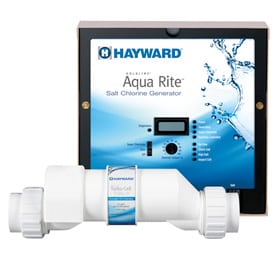
Hayward AquaRite salt chlorinator with T-Cell

Hayward AquaRite

The number one selling salt chlorinator in the world. The AquaRite converts pool salt into pure chlorine automatically and delivers it evenly throughout the pool. It is NSF certified, easy to operate, and saves 50% or more compared to buying conventional chlorine. The T-Cell typically lasts 3 to 5 years before needing replacement. We install the AquaRite more than any other salt system on Long Island.

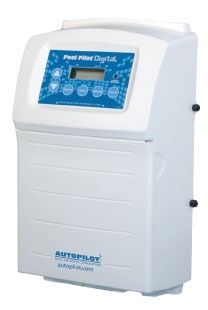
AutoPilot salt chlorine generator system

AutoPilot Salt Chlorine Generator

AutoPilot has been building salt chlorine generators since 1976. Over half a million units installed worldwide. Their systems are known for dependability and long cell life. AutoPilot offers digital controls, self-cleaning cells, and models sized for pools from 10,000 to 80,000 gallons. For homeowners in Deer Park, Islip, and North Babylon who want a proven system that runs quietly in the background, AutoPilot delivers.

How It Works

How a Salt Chlorine Generator Works

You add pool-grade salt to the water. The salt dissolves and circulates through the system. When the water passes through the generator cell, a low-voltage electrical charge breaks the salt (sodium chloride) apart and converts it into pure chlorine. That chlorine sanitizes the pool water, then recombines back into salt. The cycle repeats continuously.

It is a closed loop. You are not consuming the salt. You are recycling it. The only time you add more salt is when you drain water for maintenance, backwash the filter, or top off after heavy rain dilutes the concentration.

  • Salt level stays around 3,200 PPM, about one-tenth the salinity of ocean water
  • Chlorine is produced fresh daily, which means no chloramines and no harsh smell
  • The system self-regulates output based on the chlorine demand setting you choose
  • Pairs with any standard pool pump, filter, and heat pump system
  • Saves 50% or more compared to buying liquid or tablet chlorine each season
Hayward AquaRite salt system with T-Cell close-up
Benefits

Why Long Island Homeowners Switch to Salt

The three biggest reasons pool owners across Nassau and Suffolk County are making the switch.

1

Softer, Better-Feeling Water

Salt water feels noticeably different. No red eyes after swimming. No dry, itchy skin. No bleach smell on your hair and swimsuit. Kids stay in the pool longer. Adults actually enjoy floating without their eyes burning. Once you swim in a salt pool, going back to manually chlorinated water feels rough.

2

Lower Chemical Costs

A 40-pound bag of pool salt costs a fraction of what liquid chlorine or tablets cost over a full season. Most Long Island pool owners spend $200 to $400 less per year on chemicals after switching to salt. The system pays for itself within 2 to 3 seasons on chemical savings alone, and that does not count the time you save not hauling chlorine from the store.

3

Less Day-to-Day Maintenance

The generator produces chlorine automatically every time the pump runs. You are not testing and dosing every other day. You are not running to the pool supply store mid-week because the chlorine is low. During weekly maintenance visits, we check the salt level and cell condition so the system stays dialed in all season.

Why Majestic

Why Long Island Homeowners Buy Salt Systems From Us

25+ Years on Long Island

We have been installing salt systems on Long Island pools since before most homeowners had heard of them. We know how they perform in our climate, our water chemistry, and with the equipment setups common on Suffolk and Nassau County properties.

Sized to Your Pool

Every salt system we install gets matched to your pool volume. An undersized cell works too hard and burns out fast. An oversized cell wastes money upfront. We measure your pool, check your plumbing, and recommend the right model the first time.

Installation and Service

We install the system, program it, test it, and come back to service it. Cell cleaning, salt level checks, and troubleshooting are part of what we do. If something needs pool repair, you call us. One company for everything.

Cell Maintenance

Taking Care of Your Salt Cell

The salt cell is the part that does the work. It uses electrolysis to convert salt into chlorine, and over time calcium and scale build up on the cell plates. Most modern cells are self-cleaning, which means they reverse polarity automatically to knock scale loose. But they still need a manual inspection and cleaning at least once or twice a season.

We check the cell during weekly maintenance visits and clean it when needed. A cell that stays clean produces chlorine more efficiently and lasts longer. Most cells last 3 to 5 years before they need replacing, which is far cheaper than 3 to 5 years worth of liquid chlorine.

Compatibility

Will a Salt System Work With My Pool?

Salt chlorine generators work with most existing pool setups. They plumb inline between the filter and the return line. If you have a standard pump, filter, and heater, adding a salt system is straightforward. The only thing to watch is equipment compatibility. Heat pumps and heaters that contact salt water need corrosion-resistant heat exchangers. That is why we carry heat pumps with titanium exchangers that handle salt without corroding.

Pool liners are also compatible with salt. The salt concentration is low enough that it does not affect vinyl any differently than conventional chlorine. We install salt systems on pools with liners, plaster, and fiberglass surfaces across Long Island.

Get Started

Request a Salt System Quote

Tell us about your pool and we will reach out with options and pricing.

Common Questions

Salt Chlorine Generator FAQs

How much does a salt chlorine generator cost?

The unit and installation cost depends on pool size and the model you choose. Most Long Island homeowners recoup the investment within 2 to 3 seasons through lower chemical costs. We provide a written quote after evaluating your pool and equipment. Call us at (631) 661-2342 for current pricing.

Will a salt system damage my pool equipment?

Not if the equipment is compatible. Standard pumps and filters work fine with salt. Heaters and heat pumps need corrosion-resistant heat exchangers, which is why we recommend models with titanium exchangers for salt pools. We check your entire equipment setup before installing a salt system to make sure everything is compatible.

How often do I need to add salt?

Most pool owners add salt once at startup and then top off once or twice during the season. Salt does not evaporate with the water, so you only lose it through splash-out, backwashing, or heavy rain dilution. A standard 20,000-gallon pool needs roughly 8 to 10 bags of salt at initial setup and maybe 1 to 2 bags over the rest of the season.

Can I taste the salt in the pool water?

Barely. The salt concentration in a pool is around 3,200 parts per million. Ocean water is about 35,000 PPM. That is roughly one-tenth the salinity. Most swimmers describe the water as silky or soft rather than salty. You would not know the difference by taste unless someone told you.

How long does a salt cell last?

Most salt cells last 3 to 5 years with proper maintenance. Keeping the cell clean, maintaining balanced water chemistry, and running the system at the right output level all extend cell life. Replacing a cell is far less expensive than 3 to 5 years of buying liquid chlorine or tablets.

Ready to Switch to Salt?

Call us today or request a quote online.

(631) 661-2342 Request a Quote