Heat Pumps Long Island | Pool Heat Pumps | Majestic
Pool Heat Pumps

Heat Pumps Long Island

Energy-efficient pool heat pumps from AquaCal, TropiCal, and Hayward. Sized for your pool, installed by a team with 25 years on Long Island.

AquaCal HeatWave SuperQuiet pool heat pump
Lower Operating Costs

Pool Heat Pumps That Pay for Themselves

A heat pump does not burn gas or propane. It pulls warmth from the outside air and transfers it into your pool water. That is why it costs a fraction of what a gas pool heater costs to run each month.

For homeowners in Bay Shore, West Islip, Babylon, and Deer Park who swim regularly from May through September, a heat pump is the most cost-effective way to keep the water comfortable all season. You set the temperature and the unit maintains it quietly in the background.

We install and service heat pumps from AquaCal, TropiCal, and Hayward across Nassau and Suffolk County. Every unit we sell gets matched to your pool volume, your property layout, and how you actually use your pool. Browse our full range of pool products to see what else we carry.

Our Heat Pump Lines

Heat Pump Brands We Carry

Three manufacturers we trust. Each one built for residential pools and tested in Long Island conditions.

AquaCal HeatWave SuperQuiet heat pump unit

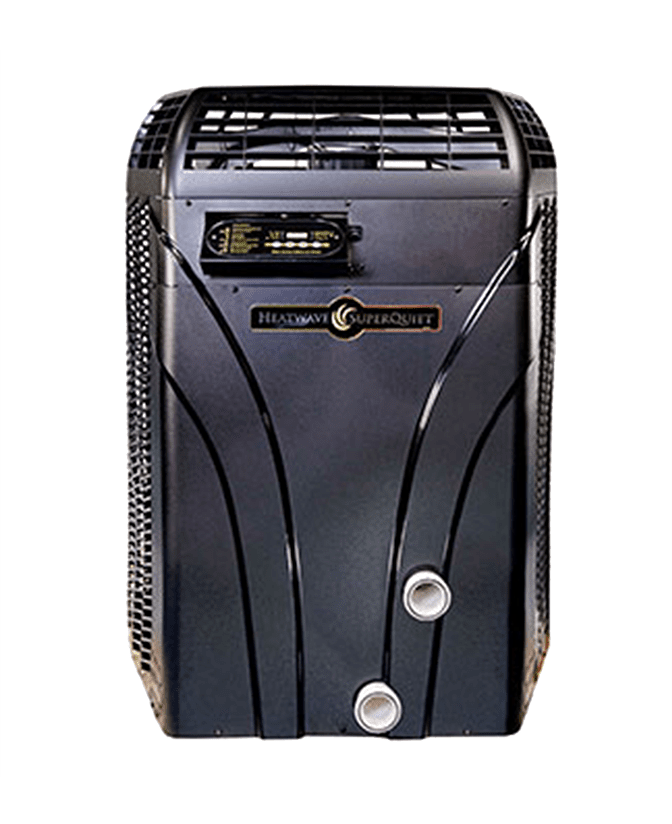
AquaCal HeatWave SuperQuiet

Our top-selling heat pump. The SuperQuiet series runs so quietly you barely notice it. A pure titanium heat exchanger sits at the core, which means it handles salt systems and chemically treated water without corroding. If you run a saltwater chlorine generator, this is the unit we recommend first.

TropiCal pool heat pump front view

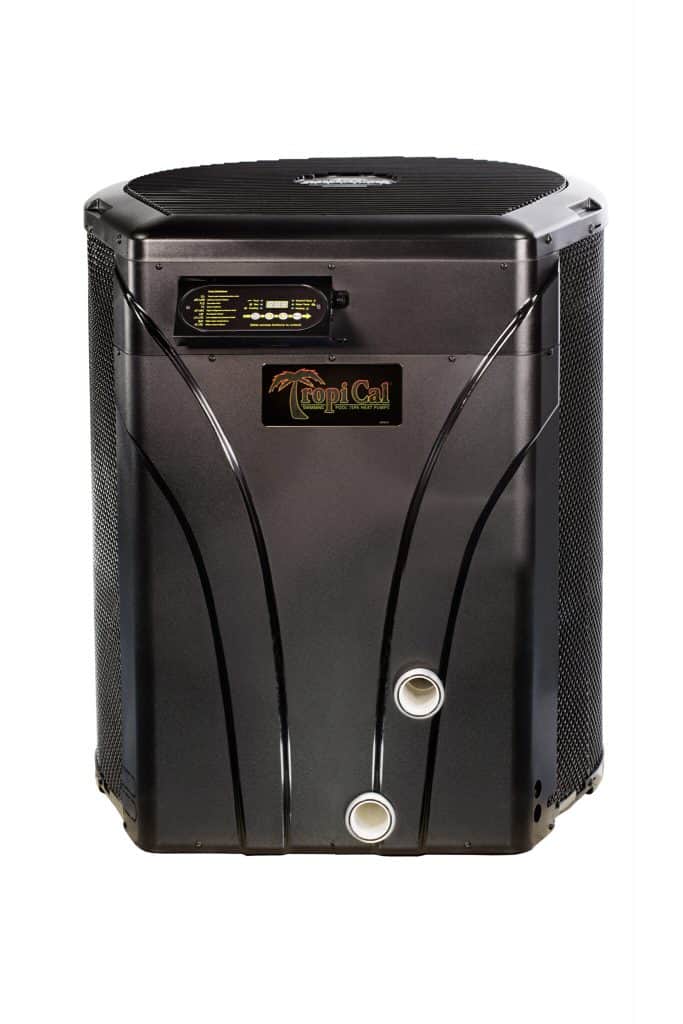
TropiCal Heat Pump

A dependable, efficient heat pump that fits any budget. The TropiCal is a solid choice for homeowners who want reliable pool heating without paying top dollar. It heats consistently through the swim season and holds up well in the humidity and salt air that Long Island properties deal with every summer.

Hayward HeatPro pool heat pump

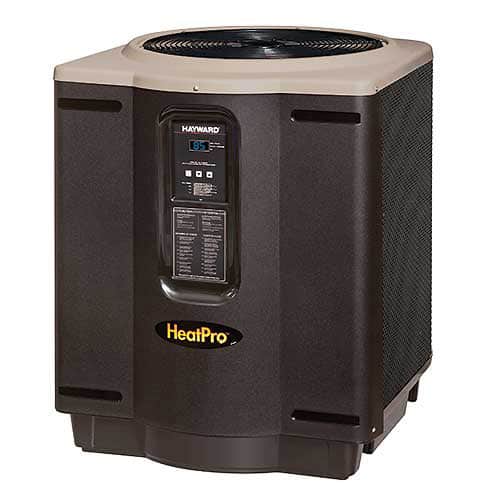
Hayward HeatPro

High performance and energy efficient. The HeatPro runs quietly and maintains steady water temperature without the monthly gas bill. It comes standard with Hayward's Ultra Gold corrosion-resistant evaporator fin, which is built specifically for coastal environments. For pools in Lindenhurst, Copiague, Amityville, and anywhere near the Great South Bay, that corrosion resistance matters.

How They Work

How a Pool Heat Pump Heats Your Water

A heat pump works like an air conditioner in reverse. It uses a fan to draw in warm outside air, passes that air over an evaporator coil filled with refrigerant, and the refrigerant absorbs the heat. A compressor then concentrates that warmth and transfers it into the pool water through a heat exchanger.

The process does not create heat from scratch. It moves existing heat from the air into your pool. That is why heat pumps use so much less energy than gas heaters. You are not burning fuel. You are relocating warmth that is already there.

  • Works best when outside air temps stay above 50°F
  • Heats gradually and maintains temperature consistently
  • Uses about 1 unit of electricity to move 5 units of heat
  • Monthly operating cost is a fraction of gas heater costs
  • Pairs well with a solar cover or safety cover to reduce heat loss overnight
TropiCal heat pump internal components
Proper Sizing

How We Size a Heat Pump for Your Pool

An undersized heat pump runs constantly and never gets the water where you want it. An oversized unit costs more upfront than it needs to. We get it right the first time.

1

Pool Volume

We calculate your total gallons based on pool dimensions and depth. A 15,000-gallon pool needs a different BTU output than a 25,000-gallon pool. This is where most online calculators get it wrong because they do not account for depth variations and irregular shapes common on Long Island properties.

2

Property Conditions

Wind exposure, shade from trees and fences, and how much direct sunlight hits the pool surface all affect heat loss. A pool in an open backyard in North Babylon loses heat faster than a fenced-in pool in Islip surrounded by hedges. We factor that in before recommending a size.

3

Your Usage Pattern

How often you swim and what temperature you want determines how hard the unit has to work. A family that swims every day at 84 degrees needs more capacity than someone who uses the pool on weekends at 80 degrees. We match the unit to how you actually live, not a generic chart.

Why Majestic

Why Long Island Homeowners Buy Heat Pumps From Us

25+ Years on Long Island

We have been installing pool equipment in Nassau and Suffolk County since before most online pool companies existed. We know which units hold up here and which ones do not.

On-Site Sizing

We come to your property, measure the pool, check your electrical panel, and evaluate your equipment pad before recommending anything. No guessing. No phone estimates based on square footage alone.

Installation and Service

We sell it, install it, and service it. If something goes wrong two years from now, you call us. One company for pool heater installation, maintenance, and repairs. No finger-pointing between a seller and an installer.

Heat Pump vs Gas

Heat Pump or Gas Heater?

Heat pumps and gas heaters solve the same problem differently. Gas heaters burn fuel to create heat fast. They work in any temperature and can raise your pool 20 degrees in a few hours. Heat pumps move heat from the air into the water gradually. They cost less to run but take longer to reach target temperature.

If you swim regularly from May through September and want the lowest monthly bill, a heat pump is the better choice. If you heat on demand, swim into late October, or need the water warm for a weekend party on short notice, gas is the way to go. Some homeowners run both. Check our gas pool heaters page if you want to compare options side by side.

Maintenance

Keeping Your Heat Pump Running Right

Heat pumps need airflow to work. Leaves, grass clippings, and debris that collect around the unit restrict the fan and reduce efficiency. We check heat pump operation during weekly pool maintenance visits and flag problems before they turn into expensive fixes.

Routine maintenance includes clearing the area around the unit, cleaning the evaporator coil, checking refrigerant levels, and testing the thermostat. A heat pump that gets annual service runs more efficiently and lasts 10 to 15 years. One that gets ignored usually starts having problems around year 5 or 6.

If your current heat pump is not keeping up, cycling on and off, or making unusual noise, call us for pool repair. We service all the brands we sell and most of the ones we do not.

Get Started

Request a Heat Pump Quote

Tell us about your pool and we will reach out with options and pricing.

Common Questions

Pool Heat Pump FAQs

How much does it cost to run a pool heat pump per month?

Most Long Island homeowners spend between $50 and $150 per month running a heat pump during swim season, depending on pool size and desired temperature. That is significantly less than a gas heater, which can run $300 to $500 or more per month. The exact number depends on your electric rate and how many degrees you are raising the water above ambient temperature.

Do heat pumps work in cold weather on Long Island?

Heat pumps work best when outside air temps stay above 50°F. On Long Island, that covers most of the swim season from May through September. Once temps drop into the 40s consistently, a heat pump loses efficiency. If you want to swim into late October or November, a gas heater is the better option for those colder weeks.

How long does a pool heat pump last?

A well-maintained heat pump typically lasts 10 to 15 years. Units with titanium heat exchangers, like the AquaCal SuperQuiet, tend to last longer because they resist corrosion from salt and pool chemicals. Annual service, keeping the area around the unit clear, and running it on a consistent schedule all help extend its life.

Can a heat pump work with my saltwater pool?

Yes. All three brands we carry are compatible with saltwater systems. The AquaCal and Hayward HeatPro both feature corrosion-resistant heat exchangers designed specifically for salt-treated water. If you have a chlorine generator on your pool, a heat pump with a titanium exchanger is the safest long-term choice.

How long does it take a heat pump to heat my pool?

Heat pumps raise water temperature about 1 to 2 degrees per hour depending on pool size and outside air temperature. For a standard 18,000-gallon pool, expect 24 to 48 hours to reach your target temperature from a cold start. Once the pool is at temperature, the heat pump maintains it with minimal effort. That is why we recommend running it consistently rather than turning it on and off.

Ready to Heat Your Pool for Less?

Call us today or request a quote online.

(631) 661-2342 Request a Quote